Information
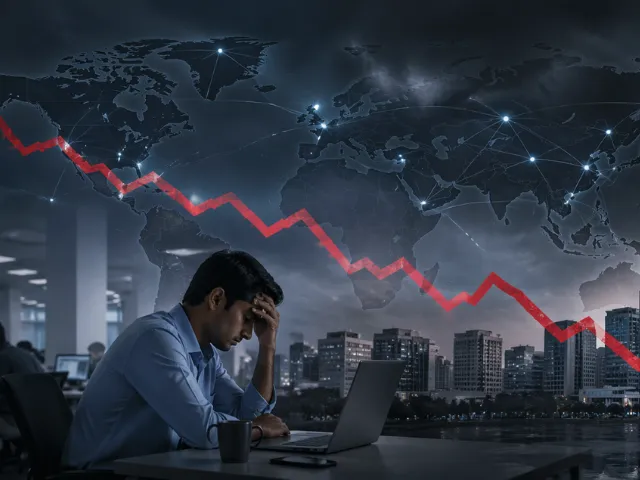

Indian IT Sector in Trouble? Decoding Weak Earnings and Global Slowdown
.webp)

Key Takeaways
• Weak earnings from major IT companies reflect slowing global demand and cautious client spending.
• US and Europe slowdown is directly impacting Indian IT exports and deal pipelines.
• Margin pressure, lower hiring, and delayed projects are key concerns for the sector.
• Long term growth drivers like digital transformation and AI remain intact.
• Investors should focus on fundamentals, valuations, and long term opportunities.
Indian IT Sector in Trouble? Decoding Weak Earnings and Global Slowdown
The Indian IT sector has long been a backbone of the country’s export economy and a favorite among equity investors. Companies like Infosys, TCS, and HCLTech have consistently delivered strong growth over the years.
However, recent earnings reports have raised concerns. Revenue growth is slowing, deal wins are becoming cautious, and management commentary across companies sounds more conservative than before.
This has led to a key question in the minds of investors: Is the Indian IT sector in trouble, or is this just a temporary slowdown?
To understand the situation, it is important to look at both global and domestic factors shaping the sector.
Why Are Indian IT Companies Reporting Weak Earnings?
The recent weakness in earnings is not due to one single factor. It is the result of multiple global and sector specific challenges coming together.
Slowing Global Demand
Indian IT companies generate a large portion of their revenue from overseas markets, especially the United States and Europe.
With fears of recession and economic uncertainty in these regions, companies are cutting back on discretionary spending.
IT services such as digital transformation projects, cloud migration, and consulting are often among the first expenses to be postponed during uncertain times.
This has directly impacted revenue growth for Indian IT firms.
Delay in Decision Making
Clients are not necessarily cancelling projects, but they are taking longer to finalize deals.
Large contracts are being split into smaller phases. Budget approvals are delayed. This cautious approach affects deal pipelines and short term growth visibility.
Pricing and Margin Pressure
Another challenge is margin pressure.
Wage costs have increased over the past few years due to high demand for tech talent. At the same time, clients are negotiating harder on pricing.
This combination puts pressure on operating margins.
Real World Example from Recent Earnings
Recent quarterly results from major IT firms highlight these trends.
Some companies reported:
• Lower than expected revenue growth
• Weak guidance for upcoming quarters
• Reduced hiring plans
• Focus on cost optimization
Management commentary across firms suggests that while demand remains, it is not as strong or aggressive as it was during the post pandemic digital boom.
How Global Slowdown Impacts Indian IT
The Indian IT sector is closely linked to global economic cycles.
When economies like the US slow down, businesses reduce spending. Since IT services are often linked to business expansion and innovation, demand naturally softens.
Exposure to US Market
A significant share of revenue for Indian IT companies comes from North America.
Any slowdown in sectors like banking, technology, or retail in the US can impact outsourcing demand.
Europe Adds to Uncertainty
Europe is also facing economic challenges, including inflation and energy related concerns.
This further weakens demand for IT services.
Impact on Indian Stock Markets
The IT sector holds a significant weight in Indian indices like Nifty 50 and Sensex.
When IT stocks underperform, it can drag overall market performance.
Valuation Correction
During the pandemic, IT stocks saw strong rallies due to high demand for digital services.
Now, with growth slowing, valuations are being reassessed.
This has led to corrections in IT stocks.
Sector Rotation
Investors often shift funds from underperforming sectors to those with better growth prospects.
For example, during periods of IT weakness, sectors like banking, capital goods, or energy may attract more attention.
Is This a Structural Problem or a Temporary Phase?
This is one of the most important questions for investors.
Short Term Challenges
Current challenges such as delayed deals, cautious spending, and global slowdown are largely cyclical.
They are linked to economic conditions rather than a permanent decline in demand.
Long Term Growth Drivers Remain Strong
Despite short term weakness, the long term outlook for the Indian IT sector remains positive.
Key drivers include:
• Digital transformation across industries
• Adoption of cloud computing
• Growth in artificial intelligence and automation
• Increasing demand for cybersecurity
Businesses worldwide continue to rely on technology to improve efficiency and stay competitive.
Indian IT companies have strong capabilities in delivering these services.
What Should Investors Do Now?
Market uncertainty can create confusion, but it also presents opportunities.
Focus on Fundamentals
Investors should focus on companies with strong balance sheets, consistent cash flows, and diversified client bases.
Avoid Panic Selling
Short term volatility should not drive long term investment decisions.
Quality companies often recover when economic conditions improve.
Monitor Global Indicators
Keep an eye on global economic trends such as US GDP growth, interest rates, and corporate spending.
These indicators provide clues about future demand for IT services.
Role of Research and Smart Investing Platforms
Navigating sectoral slowdowns requires access to reliable data, research, and insights.
Platforms like Swastika Investmart, a SEBI registered brokerage, offer investors tools to analyze market trends, track portfolios, and make informed decisions.
With a focus on technology driven investing and investor education, Swastika Investmart helps individuals understand both risks and opportunities in evolving market conditions.
Having access to professional research and responsive customer support can make a meaningful difference, especially during uncertain phases.
Frequently Asked Questions
Why is the Indian IT sector facing a slowdown?
The slowdown is mainly due to reduced global demand, cautious client spending, and delays in project approvals, especially in the US and Europe.
Are IT companies in India still a good long term investment?
Yes, the long term growth drivers such as digital transformation, AI adoption, and cloud computing remain strong.
How does global recession impact Indian IT companies?
A global slowdown reduces corporate spending on IT services, which directly affects revenue growth for Indian IT firms.
Should investors avoid IT stocks right now?
Not necessarily. Investors should focus on fundamentally strong companies and take a long term view rather than reacting to short term volatility.
Which sectors benefit when IT underperforms?
Sectors like banking, infrastructure, and energy often attract investor interest during IT sector slowdowns.
Conclusion
The recent weakness in the Indian IT sector reflects global economic realities rather than a structural decline.
While earnings may remain under pressure in the short term, the sector’s long term growth story remains intact.
For investors, this phase is less about fear and more about understanding the cycle. Market corrections often create opportunities to invest in quality businesses at better valuations.
Staying informed, disciplined, and research driven is key to navigating such phases.
If you are looking for expert insights, advanced trading tools, and a reliable SEBI registered platform, consider starting your investment journey with Swastika Investmart.

JSW Steel & POSCO JV: A Mega Step Towards India’s Steel Expansion
Key Takeaways
- JSW Steel and POSCO have formed a 50:50 joint venture
- The project aims to build a 6 MTPA integrated steel plant in Odisha
- The partnership combines global technology with local execution
- India’s steel demand growth supports long-term potential
- Execution and capital intensity remain key risks
A Landmark Partnership in India’s Steel Sector
The collaboration between JSW Steel and POSCO Group marks a significant milestone in India’s industrial growth story.
The two companies have entered into a joint venture agreement to set up a 6 million tonnes per annum integrated steel plant in Odisha. This is not just another capacity expansion. It reflects a strategic alignment between one of India’s largest steel producers and a global leader in steel technology.
At a time when India is positioning itself as a manufacturing hub, such partnerships can play a critical role in strengthening the country’s industrial base.
Why This JV Matters for India
Rising Steel Demand
India’s infrastructure push is driving strong demand for steel. From highways and railways to housing and renewable energy projects, steel consumption is expected to grow steadily over the next decade.
Government initiatives focused on infrastructure development and urbanization are further accelerating this demand.
Odisha as a Strategic Location
Odisha has emerged as a key industrial hub due to its rich mineral resources and improving infrastructure. Setting up a steel plant in this region provides logistical advantages and access to raw materials.
This makes the project more viable in the long run.
Understanding the Integrated Steel Plant
What Is an Integrated Steel Plant
An integrated steel plant handles the entire production process, from raw material processing to finished steel products.
This includes:
- Iron ore processing
- Steelmaking
- Rolling and finishing
Such plants offer better control over costs and quality, making them more competitive.
Capacity Significance
A 6 MTPA plant is a large-scale project. It can significantly contribute to domestic steel production and reduce dependence on imports in certain categories.
What JSW Steel Gains
For JSW Steel, this joint venture strengthens its expansion strategy.
Scale Expansion
The new plant adds to JSW’s existing capacity, helping it maintain its leadership position in the Indian steel market.
Technology Advantage
Partnering with POSCO allows access to advanced steelmaking technologies, which can improve efficiency and product quality.
Global Positioning
The collaboration enhances JSW’s global competitiveness by aligning with an international player.
What POSCO Brings to the Table
POSCO Group is known for its technological expertise and operational excellence.
Through this JV, POSCO gains:
- Entry into one of the fastest-growing steel markets
- Access to India’s resource base
- Opportunity to expand its global footprint
Impact on Investors
Growth Visibility
Large-scale capacity expansion signals confidence in future demand. Investors often view such projects as indicators of long-term growth.
Capital Intensity
Steel projects require significant investment. While they offer growth potential, they also increase financial commitments.
Execution Timeline
Such projects take years to complete. Investors need to track progress and execution efficiency.
Real-World Context
India aims to become a global manufacturing hub. Steel plays a crucial role in this vision.
Consider sectors like:
- Infrastructure development
- Automobile manufacturing
- Renewable energy projects
All these sectors depend heavily on steel. As demand grows, companies with strong capacity and technology will be better positioned.
Risks to Watch
Commodity Price Cycles
Steel prices are influenced by global demand and supply dynamics. Any slowdown can impact profitability.
Project Execution
Delays in construction or cost overruns can affect returns.
Regulatory Environment
Large industrial projects require multiple approvals. Changes in regulations can impact timelines.
Oversight by bodies like the Securities and Exchange Board of India ensures transparency for investors, but operational challenges remain.
Competitive Landscape
The steel sector in India is competitive, with multiple players expanding capacity.
However, partnerships like this create a strong competitive advantage by combining:
- Local market understanding
- Global technology
- Large-scale production capability
Why Research Matters for Investors
Evaluating large industrial projects requires careful analysis of multiple factors.
Swastika Investmart provides:
- SEBI-registered research insights
- Advanced tools for market analysis
- Dedicated support for investors
- Strong focus on financial education
Such support helps investors make informed decisions rather than reacting to market noise.
Frequently Asked Questions
What is the JSW Steel and POSCO joint venture?
It is a 50:50 partnership to set up a 6 MTPA integrated steel plant in Odisha.
Why is this project important for India?
It supports growing steel demand and strengthens India’s manufacturing capabilities.
How will this impact JSW Steel’s growth?
The project can increase capacity, improve efficiency, and enhance long-term growth prospects.
What are the risks involved in this JV?
Key risks include project delays, high capital investment, and steel price volatility.
Is the steel sector a good investment opportunity?
The sector has growth potential, but it is cyclical and depends on economic conditions.
Conclusion
The JSW Steel and POSCO joint venture is a significant step toward strengthening India’s steel ecosystem. It reflects confidence in the country’s long-term growth story and the rising demand for core materials.
For investors, this development offers a mix of opportunity and caution. While the growth potential is strong, success will depend on execution and market conditions.
If you want to explore such opportunities with research-backed insights and smart tools, you can start here:

Hind Copper’s ₹7,189 Crore Expansion Plan: What It Means for Investors and India’s Copper Demand
Key Takeaways
- Hindustan Copper plans ₹7,189 crore capex under Vision 2030
- Focus is on mine expansion and capacity growth
- Rising copper demand driven by EVs and infrastructure
- PSU mining sector back in investor focus
- Execution and commodity cycles remain key risks
A Big Bet on India’s Copper Future
Hindustan Copper Limited has announced a major capital expenditure plan of ₹7,189 crore as part of its Vision 2030 strategy. The investment will primarily go toward expanding mining operations and increasing production capacity.
This move comes at a time when copper demand is rising globally, driven by electrification, renewable energy, and infrastructure development. For India, which still depends on imports for a significant portion of its copper needs, this expansion could be strategically important.
Why Copper Is Gaining Importance
Backbone of Electrification
Copper is a critical metal in modern economies. It is widely used in:
- Electrical wiring
- Renewable energy systems
- Electric vehicles
- Infrastructure projects
As India accelerates its transition toward clean energy and digital infrastructure, copper demand is expected to grow steadily.
EV and Renewable Energy Push
Electric vehicles require significantly more copper than traditional vehicles. Similarly, solar and wind energy projects rely heavily on copper components.
With India focusing on sustainability and energy transition, copper is becoming a key enabler of future growth.
Understanding the ₹7,189 Crore Capex Plan
What Is Capex
Capital expenditure refers to investments made by a company to expand or upgrade its physical assets such as plants, machinery, and infrastructure.
For Hindustan Copper, this capex will be used for:
- Expanding existing mines
- Increasing production capacity
- Improving operational efficiency
Long-Term Vision
The Vision 2030 plan reflects the company’s ambition to scale up its operations and reduce dependence on imports.
A higher domestic production capacity can:
- Strengthen supply chains
- Reduce import costs
- Improve self-reliance in critical minerals
Impact on Hindustan Copper’s Business
Revenue Growth Potential
Increased production capacity can lead to higher revenue over time, especially if copper prices remain strong.
Operating Leverage
Mining companies benefit from operating leverage. Once fixed costs are covered, additional production can significantly improve profitability.
Strategic Positioning
As a public sector undertaking, Hindustan Copper plays a key role in India’s resource security. Expansion strengthens its position in the mining sector.
What It Means for Investors
Long-Term Opportunity
Investors often view capex announcements as a signal of growth. If executed well, such investments can create long-term value.
Commodity Cycle Dependency
Copper prices are influenced by global demand and economic cycles. Even with strong production, profitability depends on price trends.
Execution Matters
Large-scale projects come with risks such as delays, cost overruns, and regulatory challenges. Investors should track execution closely.
Real-World Perspective
Consider the rapid growth in India’s infrastructure sector.
From metro projects to renewable energy parks, copper demand is rising across industries. Companies that can meet this demand domestically have a strategic advantage.
Hindustan Copper’s expansion plan positions it to benefit from this structural trend.
Impact on Indian Markets
The announcement reflects a broader trend of increased investment in core sectors such as mining and infrastructure.
PSU stocks, especially those linked to commodities and resources, are gaining renewed attention. Investors are looking at companies with strong growth visibility and government backing.
Regulatory oversight by the Securities and Exchange Board of India ensures transparency and investor protection, making such developments more accessible to retail investors.
Risks to Watch
Commodity Price Volatility
Copper prices can fluctuate based on global economic conditions.
Project Execution Risks
Delays in mine expansion or cost overruns can impact returns.
Regulatory and Environmental Challenges
Mining projects are subject to strict regulations and environmental clearances.
Why Research Is Important
Investing in commodity-driven businesses requires a deep understanding of cycles, demand trends, and company fundamentals.
Swastika Investmart offers:
- SEBI-registered research services
- Advanced analytical tools
- Dedicated customer support
- Investor education initiatives
Such platforms help investors make informed decisions based on data rather than speculation.
Frequently Asked Questions
What is Hindustan Copper’s ₹7,189 crore plan?
It is a capital expenditure plan aimed at expanding mining operations and increasing production capacity under Vision 2030.
Why is copper demand increasing in India?
Demand is rising due to growth in electric vehicles, renewable energy, and infrastructure development.
Is Hindustan Copper a good long-term investment?
It can benefit from rising copper demand, but investors should consider risks such as commodity price volatility and execution challenges.
What are the risks in mining sector investments?
Key risks include price fluctuations, regulatory issues, and project delays.
How does capex impact a company’s growth?
Capex helps expand capacity and improve efficiency, which can lead to higher revenue and profitability over time.
Conclusion
Hindustan Copper’s ₹7,189 crore expansion plan is a significant step toward strengthening India’s position in the global copper market. With rising demand from multiple sectors, the opportunity is clear.
However, like all commodity-driven businesses, success will depend on execution and market conditions.
If you want to explore such opportunities with expert insights and research-backed strategies, you can begin here:

TVS Motor & Hyundai Partnership: A Big Push into Electric Three-Wheelers
Key Takeaways
- Emotional decisions often lead to poor investment outcomes
- Lack of research and overconfidence can damage long-term returns
- Ignoring diversification increases risk significantly
- A disciplined and informed approach is key to successful investing
Quick Takeaways
- TVS Motor has partnered with Hyundai to enter electric three-wheelers
- Focus is on micromobility solutions for India and global markets
- The deal strengthens TVS’s EV strategy beyond two-wheelers
- India’s EV ecosystem gets a boost with global collaboration
- Long-term opportunity depends on execution and adoption
A Strategic Move in India’s EV Journey
The partnership between TVS Motor Company and Hyundai Motor Company marks a significant step in India’s evolving electric mobility landscape.
Both companies have signed a joint development agreement to design, manufacture, and commercialise electric micromobility three-wheelers. While TVS will take the lead in manufacturing and market execution, Hyundai will bring in its global expertise in design, engineering, and technology.
This collaboration comes at a time when India is rapidly transitioning towards cleaner and more sustainable transport solutions.
Why Electric Three-Wheelers Matter
A High-Growth Segment
Electric three-wheelers are one of the fastest-growing segments in India’s EV market. These vehicles are widely used for last-mile connectivity, cargo delivery, and passenger transport.
Compared to electric cars, three-wheelers offer:
- Lower upfront cost
- Faster adoption in commercial use
- Better unit economics for operators
This makes them a key driver of India’s EV penetration.
Government Push
India’s EV adoption is supported by policy initiatives and incentives under programs aligned with regulatory bodies like the Securities and Exchange Board of India and broader government frameworks.
Subsidies, tax benefits, and infrastructure development are encouraging both manufacturers and consumers to shift towards electric vehicles.
What the TVS and Hyundai Partnership Brings
Technology Meets Execution
This partnership combines strengths from both sides:
- Hyundai brings advanced EV technology, design capabilities, and global experience
- TVS Motor contributes manufacturing expertise, distribution network, and strong brand presence in India
This synergy can help accelerate product development and improve market penetration.
Focus on Global Markets
While India remains the primary market, the collaboration also targets international opportunities. Many emerging markets are witnessing similar demand for affordable electric mobility solutions.
Impact on TVS Motor’s Growth Strategy
For TVS Motor Company, this move signals a clear shift towards diversification within the EV segment.
The company has already established itself in electric two-wheelers. Expanding into three-wheelers allows it to tap into a different customer base, particularly in commercial and fleet segments.
This could:
- Increase revenue streams
- Strengthen market positioning
- Improve long-term growth visibility
Competitive Landscape
The electric three-wheeler space is already competitive, with multiple players targeting the segment. However, partnerships like this create a differentiation factor.
Companies with strong technology backing and scalable manufacturing are more likely to succeed in the long run.
The TVS-Hyundai collaboration positions both companies strongly against competitors by combining innovation with execution capability.
What It Means for Investors
Short-Term View
In the near term, the market may react positively to the announcement as it reflects strategic intent and future readiness.
However, financial impact may take time to reflect in earnings.
Long-Term Perspective
Investors should focus on:
- Product rollout timelines
- Adoption rates in target markets
- Profitability of the EV segment
If executed well, this partnership could become a meaningful growth driver for TVS Motor.
Real-World Context
India’s mobility landscape is changing rapidly. Rising fuel prices, urban congestion, and environmental concerns are pushing both consumers and businesses towards electric solutions.
Delivery companies, ride-sharing platforms, and logistics providers are increasingly adopting electric three-wheelers to reduce operating costs.
This creates a strong demand base, making the segment attractive for manufacturers.
Risks to Consider
No opportunity comes without risks. Investors should keep an eye on:
- Execution delays in product development
- Infrastructure challenges such as charging networks
- Competitive pricing pressures
- Regulatory changes impacting subsidies
A balanced view is essential while evaluating long-term potential.
Why Research and Guidance Matter
Understanding sectoral shifts like EV adoption requires proper analysis and timely insights.
Swastika Investmart provides:
- SEBI-registered research services
- Advanced tools for tracking market trends
- Reliable customer support
- Strong focus on investor education
Such platforms help investors navigate emerging opportunities with confidence.
Frequently Asked Questions
What is the TVS Motor and Hyundai partnership about?
It is a joint development agreement to build electric micromobility three-wheelers for India and global markets.
Why is the electric three-wheeler segment important?
It is a fast-growing segment driven by demand for affordable and efficient last-mile transport solutions.
Will this partnership impact TVS Motor’s stock?
The long-term impact depends on execution, adoption, and profitability of the EV business.
Is India ready for electric three-wheelers?
Yes, strong demand, government support, and cost advantages are driving rapid adoption.
Should investors consider EV-focused companies?
EV is a growing sector, but investors should evaluate fundamentals, competition, and long-term sustainability.
Conclusion
The partnership between TVS Motor and Hyundai is more than just a collaboration. It reflects a broader shift towards electric mobility and innovation in India’s auto sector.
For investors, this development offers a glimpse into future growth opportunities, but it also requires patience and careful evaluation.
If you want to explore such opportunities with expert-backed insights and research tools, you can begin here:

Vedanta Demerger Explained: What Shareholders Should Know Before May 1 Record Date
Key Takeaways
- Vedanta is restructuring into four separate businesses to unlock value
- May 1 is the key record date for shareholder eligibility
- Investors will receive shares in all new entities
- The move may improve transparency but execution remains crucial
- Market reaction will depend on future performance of each business
Why the Vedanta Demerger Matters Right Now
The announcement by Vedanta Limited to split its business into multiple independent entities has caught the market’s attention. With the record date set for May 1, investors are now closely evaluating what this means for their portfolios.
Corporate restructuring is not new in India, but when a large diversified player like Vedanta takes this step, it often signals a deeper strategic shift. The company plans to separate its core businesses into Aluminium, Power, Oil and Gas, and Iron and Steel units.
This move is aimed at simplifying the business structure and potentially unlocking hidden value.
What Exactly Is Happening in the Demerger
Structure of the Split
Vedanta will demerge into four distinct entities:
- Aluminium business
- Power business
- Oil and Gas business
- Iron and Steel business
For every share held in Vedanta, shareholders will receive one share in each of the newly created companies.
Understanding the Record Date
The record date determines who is eligible to receive shares of the new entities. If you hold Vedanta shares on May 1, you qualify for the demerger benefits.
This concept is governed under regulations set by the Securities and Exchange Board of India, ensuring transparency and fairness in corporate actions.
Why Companies Go for Demergers
Unlocking Value
When a company operates across multiple sectors, the market often undervalues it due to complexity. By separating businesses, each unit can be valued independently.
For example, the aluminium business may attract different investors compared to the oil and gas segment. A demerger allows both to be priced based on their individual strengths.
Improved Focus
Each business can now operate with a dedicated management team and strategy. This often leads to better operational efficiency and faster decision-making.
Attracting Strategic Investors
Different segments may attract sector-specific investors, which can enhance growth opportunities.
What It Means for Shareholders
Immediate Impact
If you are a shareholder of Vedanta before the record date:
- You will continue to hold your existing shares
- You will receive shares of all four new entities
- Your overall investment value will be split across multiple companies
Portfolio Perspective
Instead of holding one diversified stock, you will now own a basket of focused businesses. This gives you flexibility:
- Hold all entities for long-term growth
- Exit specific segments based on outlook
- Rebalance your portfolio more efficiently
Will This Unlock Value
Historically, demergers in India have often led to value creation. Investors get clearer visibility into each business, and companies benefit from focused strategies.
However, value unlocking is not automatic. It depends on:
- Execution of the demerger
- Performance of individual businesses
- Market conditions and sector outlook
For instance, if commodity prices remain strong, aluminium and oil businesses could outperform. On the other hand, cyclical downturns may impact valuations.
Risks Investors Should Consider
Execution Risk
Separating large businesses is complex. Delays or inefficiencies can impact performance in the short term.
Market Volatility
Stock prices may remain volatile around the record date as traders adjust positions.
Sector-Specific Challenges
Each new entity will be exposed to different risks:
- Commodity price fluctuations
- Regulatory changes
- Demand cycles
Real-World Context
India’s economy is witnessing a shift towards sector-specific growth stories. From energy transition to infrastructure expansion, focused companies often attract higher investor interest.
Vedanta’s demerger aligns with this trend. By creating independent entities, it positions itself to tap into sectoral growth more effectively.
How Investors Can Approach This
Before the Record Date
- Review your investment objective
- Decide whether to hold or trim exposure
- Avoid making decisions purely based on short-term price movement
After the Demerger
- Track performance of each entity
- Evaluate fundamentals separately
- Rebalance portfolio based on risk appetite
A disciplined approach is key. Corporate actions like demergers can create opportunities, but they require informed decision-making.
Role of Research and Guidance
Understanding corporate restructuring can be challenging, especially for new investors. This is where expert research and advisory support become important.
Swastika Investmart offers:
- SEBI-registered research services
- Advanced trading and analysis tools
- Dedicated customer support
- Strong focus on investor education
Such platforms help investors navigate complex market developments with confidence.
Frequently Asked Questions
What is the Vedanta demerger?
It is the restructuring of Vedanta into four separate companies focused on different business segments.
What is the record date for the demerger?
May 1 is the record date to determine eligible shareholders.
Will shareholders receive additional shares?
Yes, shareholders will receive one share of each new entity for every Vedanta share held.
Is the demerger good for investors?
It can unlock value, but the outcome depends on execution and performance of each business.
Should investors hold Vedanta shares before the record date?
This depends on individual investment goals and risk appetite.
Conclusion
The Vedanta demerger is a significant corporate move that could reshape its future growth story. For shareholders, it opens up new opportunities while also introducing new variables.
The key is to stay informed, avoid impulsive decisions, and focus on long-term fundamentals.
If you are looking to make smarter investment decisions with expert-backed insights, you can start your journey here:

Common Mistakes New Investors Make and How to Avoid Them.
Key Takeaways
- Emotional decisions often lead to poor investment outcomes
- Lack of research and overconfidence can damage long-term returns
- Ignoring diversification increases risk significantly
- A disciplined and informed approach is key to successful investing
Why New Investors Often Struggle
Entering the stock market can feel exciting, especially when you see others making quick profits. But the reality is different. Many new investors end up making avoidable mistakes that hurt their returns.
In India, with increasing participation in markets regulated by the Securities and Exchange Board of India, first-time investors have more access than ever. Yet access without understanding can lead to costly errors.
Let’s look at the most common mistakes and how you can avoid them.
Investing Without a Clear Goal
The Mistake
Many beginners invest without knowing why they are investing. They buy stocks based on trends, tips, or social media hype.
How to Avoid It
Start with a clear objective:
- Wealth creation
- Retirement planning
- Short-term goals
For example, if you are investing for retirement, your strategy will be very different from someone trading for short-term gains.
Following the Herd
The Mistake
Buying stocks just because everyone else is buying is one of the biggest pitfalls. This often leads to entering at high prices and exiting at losses.
How to Avoid It
Do your own research. Understand the business, financials, and future potential before investing.
A stock trending online does not always mean it is fundamentally strong.
Ignoring Diversification
The Mistake
Putting all your money into one or two stocks can be risky. If those stocks underperform, your entire portfolio suffers.
How to Avoid It
Diversify across:
- Sectors
- Asset classes
- Market caps
For instance, combining banking, IT, and FMCG stocks can help balance risk.
Trying to Time the Market
The Mistake
Many new investors try to buy at the lowest price and sell at the highest. In reality, this is extremely difficult, even for experienced investors.
How to Avoid It
Focus on long-term investing. Systematic Investment Plans and regular investing can reduce the impact of market volatility.
Lack of Patience
The Mistake
Expecting quick returns often leads to disappointment. Markets do not move in a straight line.
How to Avoid It
Give your investments time to grow. Wealth creation is a gradual process.
For example, investors who stayed invested during market corrections have historically benefited from long-term growth.
Not Understanding Risk
The Mistake
Many beginners invest without assessing their risk tolerance. This leads to panic during market corrections.
How to Avoid It
Understand your risk appetite before investing. If you are uncomfortable with volatility, consider a balanced approach with both equity and debt.
Overtrading
The Mistake
Frequent buying and selling increases transaction costs and reduces overall returns.
How to Avoid It
Invest with a clear strategy. Avoid unnecessary trades unless there is a strong reason.
Ignoring Financial Ratios and Fundamentals
The Mistake
Investing without analyzing company fundamentals can lead to poor stock selection.
How to Avoid It
Learn basic metrics like:
- Price to Earnings ratio
- Return on Equity
- Debt levels
These indicators help evaluate the quality of a company.
Not Having an Exit Strategy
The Mistake
Many investors know when to buy but not when to sell.
How to Avoid It
Set clear exit rules:
- Target price
- Stop loss
- Change in fundamentals
This helps protect profits and limit losses.
Real-World Example
Consider a new investor who buys a stock based on a tip without research. The stock rises initially, but when it corrects, the investor panics and sells at a loss.
Now compare this with an investor who studies the company, invests gradually, and holds for the long term. The second approach is more likely to generate consistent returns.
Impact on Indian Markets
The rise of retail investors has significantly changed market dynamics. While this increases liquidity, it also brings volatility when decisions are driven by emotions rather than fundamentals.
Regulators like the Securities and Exchange Board of India continue to promote investor awareness and protect market integrity. However, the responsibility of making informed decisions lies with the investor.
Why Guidance Matters
Investing is not just about buying stocks. It is about understanding markets, managing risk, and staying disciplined.
Platforms like Swastika Investmart offer research-backed insights, advanced tools, and strong customer support to help investors make better decisions.
With SEBI-registered services and a focus on investor education, Swastika Investmart helps bridge the gap between information and action.
Frequently Asked Questions
What is the biggest mistake new investors make?
The most common mistake is investing without proper research or clear goals.
Is it safe to follow stock tips?
Relying solely on tips can be risky. It is better to do your own analysis before investing.
How important is diversification?
Diversification helps reduce risk and protects your portfolio from major losses.
Can beginners time the market?
Timing the market consistently is difficult. A long-term approach is more effective.
How can I avoid emotional investing?
Having a clear plan and sticking to it can help reduce emotional decision-making.
Conclusion
Every investor makes mistakes, especially in the beginning. What matters is learning from them and improving your approach.
By setting clear goals, diversifying your portfolio, and staying disciplined, you can avoid common pitfalls and build long-term wealth.
If you are looking to start your investment journey with expert guidance, research-driven insights, and a reliable platform, you can begin here:

Akshaya Tritiya 2026: Why Gold Demand Is Strong but Spending Patterns Are Changing
Key Takeaways
- Gold demand remains strong despite high and volatile prices
- Consumers are shifting toward smaller ticket purchases
- Jewellery and investment demand are now clearly split
- Organized jewellers are adapting with new strategies and offerings
A Festival Rooted in Tradition, Now Driven by Strategy
Akshaya Tritiya has always been one of the most important occasions for gold buying in India. Traditionally, buying gold on this day is seen as auspicious and linked to prosperity.
However, Akshaya Tritiya 2026 tells a slightly different story. The demand for gold has not weakened, but the way people are buying gold has clearly evolved.
This shift is not driven by sentiment alone. It reflects a more calculated and practical approach by consumers in response to rising prices and market uncertainty.
Gold Prices and Market Context
Gold prices have been volatile in recent months, moving between ₹1.31 lakh and ₹1.75 lakh per 10 grams, and currently stabilizing around ₹1.5 to ₹1.56 lakh.
Despite this volatility, the demand base remains strong. Industry estimates suggest that gold sales during the festive period remain substantial, highlighting that cultural importance continues to drive consumption.
However, higher prices have forced buyers to rethink how much they spend rather than whether they should buy.
The Big Shift: Smaller Purchases, Same Sentiment
Changing Ticket Sizes
One of the most noticeable trends this year is the shift toward smaller purchases.
Instead of buying heavy jewellery, most consumers are now spending in the range of ₹60,000 to ₹80,000. This allows them to participate in the tradition without stretching their budgets.
This is a clear sign that affordability is becoming a key decision factor.
Jewellery vs Investment Demand
Another important shift is the split in demand.
- Jewellery purchases continue for personal use and gifting
- Coins and bars are increasingly preferred for investment purposes
This dual approach reflects a more structured financial mindset, where consumers are balancing emotional and investment-driven decisions.
How Jewellers Are Adapting
Organized players like Titan Company and Kalyan Jewellers are not just responding to these changes, they are actively shaping them.
Focus on Lightweight Jewellery
Brands are launching collections that are lighter in weight but high in design value. This helps maintain affordability while preserving aspirational appeal.
Price-Lock and Flexible Schemes
To tackle price volatility, jewellers are offering price-lock options. Customers can book gold at current prices and complete the purchase later.
This reduces uncertainty and encourages buying even during volatile periods.
Rise of Quick-Commerce and Digital Channels
The growing use of digital platforms and quick-commerce channels is making it easier for consumers to buy small-ticket gold products like coins and bars.
This convenience factor is playing a major role in sustaining demand.
The Hidden Impact: A Structural Shift in the Industry
The shift toward smaller purchases is not just a temporary adjustment. It is reshaping the entire business model of the gold industry.
Margins and Profitability
While ticket sizes are shrinking, higher making charges as a percentage of price help protect margins for jewellers.
Inventory Efficiency
Lightweight jewellery leads to faster inventory turnover. This reduces the need to hold large amounts of gold stock, improving capital efficiency.
From Gold Weight to Design Value
The focus is gradually shifting from the weight of gold to the design and brand value.
This marks a transition from a commodity-driven market to a more lifestyle-oriented retail model.
Impact on Indian Markets
The changing dynamics in gold consumption also have implications for the broader market.
Jewellery companies that adapt to these trends are likely to gain market share, while smaller unorganized players may struggle.
At the same time, gold continues to play an important role as a hedge against inflation and economic uncertainty, making it relevant for both consumers and investors.
Real-World Perspective
Consider a middle-class family planning to buy gold on Akshaya Tritiya.
Instead of purchasing a heavy necklace worth ₹2 lakh, they may now opt for a lightweight design worth ₹70,000 and invest the remaining amount in gold coins or other financial assets.
This approach reflects a smarter allocation of resources without compromising on tradition.
Why Understanding Trends Matters for Investors
For investors, these shifts offer valuable insights.
Companies that innovate in design, pricing, and distribution are better positioned to grow in a changing market environment.
This is where research-backed platforms like Swastika Investmart can help. With SEBI-registered services, advanced tools, and a strong focus on investor education, Swastika Investmart enables investors to identify such evolving opportunities.
Frequently Asked Questions
Why is gold demand still strong despite high prices?
Gold remains culturally significant and is seen as a safe investment, which keeps demand strong even during high prices.
What is the biggest trend in gold buying this Akshaya Tritiya?
The biggest trend is the shift toward smaller ticket purchases and lightweight jewellery.
How are jewellers adapting to changing demand?
Jewellers are focusing on lightweight designs, offering price-lock schemes, and expanding digital sales channels.
Is gold still a good investment option?
Gold can act as a hedge against inflation and market volatility, making it a useful part of a diversified portfolio.
What does this trend mean for jewellery companies?
Companies that adapt to changing consumer behavior are likely to see better growth and profitability.
Conclusion
Akshaya Tritiya 2026 highlights an important shift in India’s gold market. Demand remains strong, but consumer behavior is evolving toward smarter and more flexible spending.
This transformation is pushing the industry toward innovation, efficiency, and design-driven growth.
For investors, understanding these trends can open up new opportunities in the jewellery and retail sector.
If you are looking to invest with expert guidance and research-driven insights, you can get started here:
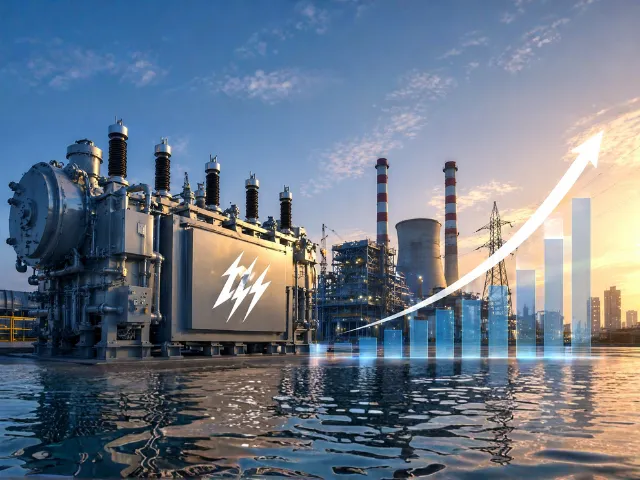
BHEL Reports 18% Growth with ₹75,000 Cr Orders: Is the PSU Back in Focus?
Key Takeaways
- BHEL reports 18 percent growth in FY26 turnover
- Strong ₹75,000 crore order inflow boosts future visibility
- PSU and infrastructure theme gaining momentum
- Order book strength may support long-term earnings growth
BHEL Back in the Spotlight
Bharat Heavy Electricals Limited has once again caught market attention after reporting a strong operational update. The company posted a provisional turnover of ₹32,350 crore for FY26, reflecting an 18 percent growth compared to the previous year.
What stands out even more is the order inflow. BHEL secured orders worth ₹75,000 crore during the year, indicating strong demand and improving execution visibility.
At a time when investors are actively tracking public sector undertakings, this development has brought BHEL back into focus.
Understanding the Growth Numbers
Turnover Growth Signals Execution Strength
An 18 percent increase in turnover is a strong indicator that project execution has picked up pace. For a capital goods company like BHEL, execution is critical because revenue recognition depends on project completion timelines.
This growth suggests that delayed projects are moving forward and new contracts are contributing to revenue.
₹75,000 Crore Order Book: A Key Positive
The order book is one of the most important metrics for infrastructure companies.
A strong order inflow of ₹75,000 crore provides:
- Revenue visibility for the next few years
- Stability in earnings
- Confidence in business continuity
In simple terms, a healthy order book acts as a pipeline of future revenue.
What Is Driving BHEL’s Growth?
Government Infrastructure Push
India’s focus on infrastructure development has been a major growth driver for companies like BHEL. Increased capital expenditure in power, railways, and industrial projects is creating opportunities.
Government initiatives aimed at strengthening domestic manufacturing and energy capacity are supporting order inflows.
Power Sector Revival
The revival of thermal and renewable power projects has played a crucial role.
BHEL, being a key player in power equipment manufacturing, benefits directly from new project announcements and capacity expansion plans.
Strong PSU Momentum
PSU stocks have seen renewed interest among investors. Improved balance sheets, better governance, and consistent earnings have made them attractive again.
BHEL’s recent performance aligns with this broader trend.
Real-World Perspective
Consider a simple example.
If a company secures a large order today, the revenue from that project may be realized over the next two to three years. This creates predictable cash flows and reduces uncertainty.
For investors, this translates into better confidence in future earnings.
Impact on Indian Stock Market
BHEL’s growth is not an isolated event. It reflects a broader trend in the capital goods and infrastructure sectors.
Stocks linked to infrastructure development often benefit from:
- Government spending
- Economic growth cycles
- Increased private sector participation
As a result, strong performance by companies like BHEL can boost overall market sentiment, especially within PSU and industrial segments.
Risks Investors Should Consider
While the outlook looks positive, investors should remain aware of potential risks.
Execution Risks
Delays in project execution can impact revenue recognition and profitability.
Dependence on Government Orders
A significant portion of BHEL’s business comes from government contracts. Any slowdown in policy implementation or spending could affect growth.
Margin Pressures
Rising input costs and competitive bidding can impact margins, even when order inflows are strong.
What Should Investors Watch Ahead?
- Order inflow consistency in upcoming quarters
- Execution timelines and revenue growth
- Margin trends and cost management
- Sector-wide developments in infrastructure and power
Tracking these factors can help investors better understand the sustainability of growth.
Role of Research in PSU Investing
Investing in PSU stocks requires a deeper understanding of business cycles, policy changes, and financial performance.
Platforms like Swastika Investmart offer research-backed insights, advanced tools, and dedicated support to help investors navigate such opportunities.
With SEBI-registered services and a strong focus on investor education, Swastika Investmart enables investors to make informed decisions rather than relying on market noise.
Frequently Asked Questions
What does BHEL’s 18 percent growth indicate?
It indicates improved project execution and higher revenue generation compared to the previous year.
Why is the order book important for BHEL?
The order book provides visibility into future revenue and indicates business stability.
Is BHEL benefiting from government policies?
Yes, increased infrastructure spending and power sector investments are supporting growth.
Are PSU stocks gaining investor interest?
PSU stocks are attracting attention due to improving fundamentals and consistent earnings.
What risks should investors consider in BHEL?
Key risks include project delays, margin pressures, and dependence on government contracts.
Conclusion
BHEL’s strong growth and robust order inflows highlight a positive phase for the company. With ₹75,000 crore worth of orders and improving execution, the outlook appears encouraging.
However, investors should balance optimism with caution by tracking execution, margins, and sector developments.
If you are looking to explore opportunities in PSU and infrastructure stocks with expert guidance and research-backed insights, you can get started here:

Q4 Earnings Roundup: HDFC Bank, ICICI Bank, Yes Bank Show Strong Growth
Key Takeaways
- Banking majors delivered steady profit growth with improved asset quality
- Provisions declined sharply, boosting overall profitability
- NPAs continued to trend lower, indicating stronger balance sheets
- Financial sector remains a key pillar for Indian market stability
Banking Sector Delivers a Strong Quarter
The Q4 earnings season has once again highlighted the resilience of India’s banking sector. Leading private sector banks such as HDFC Bank, ICICI Bank, and Yes Bank reported solid growth in profitability along with improving asset quality.
At a time when global uncertainties remain elevated, the performance of these banks reflects strong domestic demand, better credit discipline, and effective risk management.
The overall trend suggests that Indian banks are entering a phase of stable growth backed by cleaner balance sheets and controlled credit costs.
HDFC Bank: Consistency with Stability
HDFC Bank reported a steady performance for the quarter, maintaining its reputation for consistency.
Net interest income grew 3.2 percent year-on-year to ₹33,082 crore, while operating profit rose 4.8 percent. Net profit increased by 9.1 percent to ₹19,221 crore, reflecting stable growth.
One of the key positives was the reduction in provisions by over 18 percent, which helped improve profitability. The gross NPA stood at 1.15 percent, indicating strong asset quality.
The bank also announced a final dividend of ₹13 per share and approved fundraising plans of up to ₹60,000 crore through debt. This highlights its focus on maintaining strong capital adequacy while supporting future growth.
ICICI Bank: Strong Asset Quality Boosts Earnings
ICICI Bank delivered another strong quarter, supported by improved asset quality and lower credit costs.
Net interest income rose 8.4 percent to ₹22,979 crore, while net profit increased 8.5 percent to ₹13,702 crore.
A standout factor was the sharp decline in provisions by over 89 percent. This significant drop indicates that the bank’s balance sheet has become much healthier compared to previous years.
Gross NPA improved to 1.4 percent, reflecting better loan quality and recovery trends.
The bank also declared an interim dividend of ₹12 per share and renewed its fundraising limit of ₹25,000 crore, signaling confidence in future expansion.
Yes Bank: Turnaround Momentum Continues
Yes Bank reported one of the strongest growth numbers among the three banks, indicating continued recovery.
Net interest income grew nearly 16 percent, while operating profit rose over 23 percent. Net profit jumped 44.7 percent to ₹1,068 crore, showcasing significant improvement.
Provisions declined by 41 percent, and gross NPA improved to 1.3 percent on a sequential basis.
This performance suggests that Yes Bank’s turnaround strategy is gaining traction. While challenges remain, the improvement in key financial metrics is encouraging for investors tracking the stock.
What About Other Financial and IT Players?
While banking stocks dominated the earnings narrative, other companies showed mixed performance.
Jio Financial Services reported a sharp rise in total income, nearly doubling year-on-year. However, net profit declined, indicating pressure on margins or higher costs.
In the IT space, Mastek delivered modest revenue growth but saw a slight decline in profit and margins. This reflects ongoing challenges in the global IT environment.
Key Trends Emerging from Q4 Earnings
Improving Asset Quality
Lower NPAs across major banks indicate better credit discipline and recovery mechanisms. This is a positive sign for long-term stability.
Declining Provisions
A reduction in provisions directly boosts profitability. It also signals that banks are facing fewer stressed assets.
Stable Credit Growth
Strong demand for loans, especially in retail and MSME segments, continues to support revenue growth.
Capital Strength and Expansion Plans
Fundraising plans announced by banks indicate readiness to support future growth and meet regulatory requirements set by the Reserve Bank of India.
Impact on Indian Stock Market
The strong performance of banking stocks plays a crucial role in supporting benchmark indices like the Nifty 50 and Sensex.
Banks have a significant weight in these indices, and their earnings often set the tone for overall market sentiment.
With stable earnings and improving fundamentals, the banking sector continues to attract both domestic and foreign investors.
Real-World Perspective
Consider a retail investor evaluating banking stocks.
A bank with rising profits, falling NPAs, and lower provisions is likely to be seen as a safer investment compared to one with high stress and volatile earnings.
This is why earnings like these often lead to positive stock price reactions and increased investor interest.
What Should Investors Watch Going Forward
- Sustainability of credit growth
- Movement in interest rates
- Asset quality trends
- Impact of global economic conditions
Investors should focus on long-term fundamentals rather than short-term price movements.
Why Research Matters During Earnings Season
Earnings announcements can create both opportunities and confusion.
Having access to detailed analysis and expert insights can help investors make better decisions. Platforms like Swastika Investmart provide research-backed recommendations, advanced tools, and strong customer support.
With SEBI-registered services and a focus on investor education, Swastika Investmart ensures that investors understand not just the numbers but the story behind them.
Frequently Asked Questions
Why are bank earnings important for the stock market?
Banking stocks have a high weight in indices, so their performance directly impacts overall market sentiment.
What does lower NPA indicate?
Lower NPA indicates better asset quality and reduced risk of loan defaults.
Why do provisions matter in banking results?
Provisions are funds set aside for bad loans. Lower provisions improve profitability.
Are banking stocks good for long-term investment?
Banks with strong fundamentals and consistent growth can be good long-term investment options.
What should investors focus on in bank earnings?
Investors should track NII, profit growth, NPAs, and provisioning trends.
Conclusion
The Q4 earnings of HDFC Bank, ICICI Bank, and Yes Bank highlight a strong and stable phase for the Indian banking sector. With improving asset quality, steady profit growth, and declining provisions, the outlook remains positive.
For investors, this is a reminder that fundamentally strong sectors often provide stability during uncertain times. Staying informed and focusing on quality stocks can help build long-term wealth.
If you are looking to invest with expert guidance, research-driven insights, and a seamless trading platform, you can get started here:

How Inflation Impacts Your Financial Plan (And How to Beat It)
Key Takeaways
- Inflation reduces purchasing power and increases future expenses
- Ignoring inflation can lead to a shortfall in long-term financial goals
- Equity, diversification, and smart asset allocation can help beat inflation
- Regular portfolio review is essential to stay ahead of rising costs
Why Inflation Matters in Financial Planning
Inflation is one of the most underestimated risks in financial planning. It quietly reduces the value of money over time, making everyday expenses more expensive and long-term goals harder to achieve.
In India, inflation is tracked and managed by institutions like the Reserve Bank of India, which aims to maintain price stability while supporting economic growth. Even moderate inflation can significantly impact your savings if not accounted for properly.
For example, something that costs ₹100 today may cost ₹180 to ₹200 in the next 10 years, depending on inflation rates. This directly affects your lifestyle, retirement planning, and investment decisions.
How Inflation Impacts Your Financial Plan
Erosion of Purchasing Power
The most direct impact of inflation is the reduction in purchasing power. Simply put, the same amount of money buys fewer goods and services over time.
If your savings are growing at 5 percent annually but inflation is at 6 percent, you are effectively losing money in real terms.
Increased Cost of Living
Expenses like education, healthcare, and housing tend to rise faster than average inflation.
For instance, medical inflation in India has often been higher than general inflation. This makes it essential to plan for higher costs in the future, especially for long-term goals.
Impact on Retirement Planning
Inflation can severely impact your retirement corpus. If not planned correctly, your savings may fall short of sustaining your lifestyle.
A retirement plan that ignores inflation may look sufficient on paper today but may not hold up after 20 or 30 years.
Lower Real Returns on Investments
Many traditional investment options, such as fixed deposits, may not generate returns that beat inflation.
This results in lower real returns, which can slow down wealth creation over time.
Real-World Example
Let’s consider a simple scenario.
Rahul invests ₹10 lakh in a fixed deposit offering 6 percent annual return. If inflation averages 6 percent during the same period, his real return is effectively zero.
Now compare this with an equity mutual fund that generates 12 percent returns. After adjusting for inflation, Rahul still earns a positive real return, helping his wealth grow.
This example highlights why choosing the right investment instruments is crucial.
How to Beat Inflation Effectively
Invest in Equity for Long-Term Growth
Equity investments have historically outperformed inflation over the long term. Stocks and equity mutual funds provide the growth needed to maintain and increase purchasing power.
While equity involves market risk, a disciplined and long-term approach can help manage volatility.
Diversify Your Portfolio
Diversification is key to managing risk and improving returns.
A balanced portfolio may include:
- Equity for growth
- Debt instruments for stability
- Gold as a hedge against uncertainty
This combination helps protect your portfolio from different market conditions.
Focus on Real Returns
Always evaluate investments based on real returns rather than nominal returns.
Real return is calculated after adjusting for inflation. This gives a clearer picture of how your money is actually growing.
Increase Investments Over Time
As your income grows, your investments should also increase.
For example, increasing your SIP amount annually can help counter the impact of inflation and accelerate wealth creation.
Use Inflation-Protected Strategies
Certain investment strategies and products are designed to protect against inflation. These include inflation-indexed bonds and diversified mutual funds.
Additionally, government-backed schemes and market-linked investments can offer better inflation-adjusted returns over time.
Impact on Indian Markets
Inflation has a direct impact on financial markets.
When inflation rises, the Reserve Bank of India may increase interest rates to control it. Higher interest rates can affect borrowing costs, corporate profits, and stock market valuations.
At the same time, sectors like FMCG and banking may react differently to inflationary pressures, creating both risks and opportunities for investors.
Understanding these dynamics helps investors make informed decisions.
Common Mistakes to Avoid
- Ignoring inflation while setting financial goals
- Over-reliance on low-return instruments
- Not reviewing investment portfolio regularly
- Failing to diversify across asset classes
Avoiding these mistakes can significantly improve your financial outcomes.
Why Professional Guidance Helps
Financial planning can become complex when factors like inflation, market volatility, and changing goals come into play.
This is where platforms like Swastika Investmart can make a difference. With SEBI-registered services, advanced research tools, and a strong focus on investor education, Swastika Investmart helps investors build strategies that are aligned with their long-term goals.
From portfolio analysis to market insights, having expert support can simplify decision-making and improve outcomes.
Frequently Asked Questions
What is inflation in simple terms?
Inflation is the increase in prices of goods and services over time, which reduces the purchasing power of money.
How does inflation affect investments?
Inflation reduces real returns. If your investment returns are lower than inflation, your money loses value.
Which investments can beat inflation?
Equity investments, mutual funds, and diversified portfolios have the potential to generate returns higher than inflation over the long term.
Why is inflation important in retirement planning?
Inflation increases future expenses, so ignoring it can lead to insufficient retirement savings.
How often should I review my financial plan?
It is advisable to review your financial plan at least once a year to adjust for inflation and changing goals.
Conclusion
Inflation is an unavoidable reality that affects every aspect of your financial life. While you cannot control inflation, you can control how you plan for it.
By investing wisely, diversifying your portfolio, and focusing on real returns, you can protect your wealth and achieve your financial goals.
If you are looking to build a strong financial plan that can withstand inflation and market changes, you can get started with expert guidance here:

Retirement Planning in India: A Step-by-Step Guide for Beginners
Key Takeaways
- Start early to benefit from compounding and reduce financial stress
- Define clear retirement goals based on lifestyle and inflation
- Use a mix of equity, debt, and retirement schemes like NPS and PPF
- Review and adjust your plan regularly as income and goals change
Why Retirement Planning in India Matters More Than Ever
Retirement planning in India is no longer optional. Rising life expectancy, increasing healthcare costs, and inflation are making it essential to build a strong financial cushion for the future.
Unlike earlier generations that relied on pensions and joint family systems, today’s workforce must take full responsibility for their retirement. Whether you are salaried or self-employed, having a clear plan ensures financial independence in your later years.
Step 1: Define Your Retirement Goals
Before investing, you need clarity on what retirement looks like for you.
Ask yourself:
- At what age do I want to retire
- What kind of lifestyle do I expect
- Will I have dependents
For example, a 30-year-old professional planning to retire at 60 will need to estimate monthly expenses in today’s terms and then adjust for inflation.
If your current monthly expense is ₹50,000, it could easily rise to over ₹2 lakh after 30 years, assuming moderate inflation. This highlights the importance of planning early.
Step 2: Calculate Your Retirement Corpus
Your retirement corpus is the total amount you need to sustain your lifestyle after retirement.
A simple way to estimate is:
- Annual expenses after retirement
- Multiply by number of years you expect to live post-retirement
For instance, if your annual expense is ₹24 lakh and you expect to live 25 years post-retirement, you would need a corpus of around ₹6 crore, excluding inflation adjustments.
This number may seem large, but systematic investing over time makes it achievable.
Step 3: Start Investing Early
One of the biggest advantages in retirement planning is time.
Consider two individuals:
- Person A starts investing ₹10,000 per month at age 25
- Person B starts at age 35 with the same amount
Even with similar returns, Person A will accumulate significantly more wealth due to compounding.
Starting early allows you to take calculated risks and benefit from equity markets, which historically outperform inflation over the long term.
Step 4: Choose the Right Investment Options
A well-balanced portfolio is key to successful retirement planning in India.
Equity Investments
Equity mutual funds and direct stocks help generate long-term growth. They are suitable for younger investors with a higher risk appetite.
Debt Instruments
Options like fixed deposits, bonds, and provident funds provide stability and predictable returns.
Government-Backed Schemes
Schemes regulated by the Pension Fund Regulatory and Development Authority such as the National Pension System offer tax benefits and long-term retirement savings.
Public Provident Fund is another popular option backed by the government, offering safety and tax efficiency.
Diversification Matters
A mix of equity and debt ensures that your portfolio balances growth and stability, reducing overall risk.
Step 5: Plan for Inflation and Healthcare
Inflation is one of the biggest threats to retirement savings.
Even a small increase in inflation can significantly reduce your purchasing power over time. Healthcare costs, in particular, tend to rise faster than general inflation.
Including health insurance and keeping a separate emergency fund can help manage these risks effectively.
Step 6: Review and Rebalance Regularly
Financial planning is not a one-time activity.
As your income grows and life circumstances change, your investment strategy should also evolve.
For example:
- Increase SIP contributions with salary hikes
- Shift from equity to safer assets as retirement approaches
- Rebalance portfolio annually
Regular reviews ensure that you stay on track to achieve your retirement goals.
Real-World Example
Let’s take a simple case.
Rohit, a 28-year-old IT professional, starts a monthly SIP of ₹15,000 with an expected return of 12 percent annually. Over 32 years, his investment can grow to more than ₹5 crore.
If he delays this by 10 years, the final corpus may drop significantly despite investing for a shorter period.
This shows how time plays a crucial role in wealth creation.
Role of Regulation and Financial Awareness
In India, retirement planning is supported by strong regulatory frameworks.
Bodies like the Securities and Exchange Board of India ensure transparency and investor protection in capital markets.
At the same time, increasing financial literacy and digital platforms have made investing more accessible than ever.
Why Guidance Matters in Retirement Planning
While information is widely available, making the right financial decisions requires proper guidance.
Platforms like Swastika Investmart offer a combination of research, advisory, and technology-driven solutions to help investors build and manage their portfolios.
With SEBI-registered services, strong customer support, and a focus on investor education, Swastika Investmart helps individuals take confident steps toward their financial goals.
Frequently Asked Questions
When should I start retirement planning in India?
The earlier you start, the better. Ideally, begin in your 20s to maximize the benefits of compounding.
How much should I save for retirement?
It depends on your lifestyle and expenses, but a common approach is to aim for a corpus that can cover at least 20 to 30 years of post-retirement expenses.
Is NPS a good option for retirement?
Yes, NPS offers tax benefits and disciplined long-term savings, making it a suitable option for retirement planning.
Can I rely only on fixed deposits for retirement?
Fixed deposits provide safety but may not beat inflation. A balanced portfolio with equity exposure is recommended.
How often should I review my retirement plan?
Review your plan at least once a year or whenever there is a major change in income or financial goals.
Conclusion
Retirement planning in India is about creating financial independence and peace of mind for your future. It requires a disciplined approach, smart investment choices, and regular monitoring.
Starting early, staying consistent, and adapting to changing circumstances can make a significant difference in achieving your retirement goals.
If you are looking to begin your investment journey with expert guidance, research-backed insights, and a seamless digital platform, you can get started here:

RVNL Shares Jump 3% After ₹970 Crore Order Win: Should Investors Take Notice?
Key Takeaways
- RVNL shares gained over 3% after securing a ₹970 crore railway project
- Order win strengthens revenue visibility and order book pipeline
- Railway sector continues to benefit from government capex push
- Stock momentum supported by strong execution and policy tailwinds
RVNL Stock in Focus After Fresh Order Win
Shares of Rail Vikas Nigam Limited came into sharp focus after the company emerged as the lowest bidder for a railway project worth nearly ₹970 crore. The stock reacted positively, gaining around 3% in trade, reflecting investor optimism around its growing order book.
This development comes at a time when railway infrastructure is a key focus area for the Indian government. With increased allocation in the Union Budget and a push towards modernization, companies like RVNL are well-positioned to benefit from sustained capital expenditure.
What Does This ₹970 Crore Order Mean for RVNL?
Strong Order Book Visibility
Winning a project of this scale directly adds to RVNL’s already robust order book. For infrastructure companies, order inflow is a critical metric as it ensures future revenue streams.
A ₹970 crore project may not be transformational on its own, but consistent order wins indicate execution strength and client trust. Over time, such contracts build a strong pipeline that supports earnings growth.
Focus on Railway Infrastructure
The project is linked to railway infrastructure development, a segment that continues to see strong policy support. Under initiatives driven by the Indian Railways, modernization of tracks, bridges, and freight corridors remains a priority.
RVNL, being a key PSU player, often participates in such projects, giving it a competitive advantage.
Why Are Investors Reacting Positively?
Government Capex Theme
India’s infrastructure push is one of the biggest long-term investment themes. The government has consistently increased capital expenditure on railways, roads, and urban infrastructure.
Companies like RVNL are direct beneficiaries of this spending cycle. As more projects are announced and awarded, revenue visibility improves, which is a positive signal for investors.
Execution Track Record
RVNL has built a reputation for timely project execution. In infrastructure businesses, execution capability is as important as order wins. Delays can impact margins and cash flows, but efficient delivery enhances credibility.
Momentum in Railway Stocks
Railway-related stocks have been in focus over the past few years. From wagon manufacturers to EPC players, the entire ecosystem has seen increased investor interest.
The latest order win reinforces the narrative that the railway sector still has growth potential.
How Does This Impact the Indian Stock Market?
The rally in RVNL shares reflects a broader trend where investors are favoring companies aligned with government-led growth themes.
Infrastructure, railways, and capital goods sectors have been key beneficiaries of policy support. This is also evident in the rising participation of domestic institutional investors and retail investors in such stocks.
At the same time, global uncertainties have made domestic growth stories more attractive. This shift has further strengthened interest in companies like RVNL.
Risks Investors Should Keep in Mind
While the outlook remains positive, it is important to consider potential risks.
Dependence on Government Orders
A large portion of RVNL’s business comes from government projects. Any slowdown in capex or delays in project approvals can impact order inflows.
Execution Risks
Infrastructure projects often face challenges such as land acquisition issues, regulatory approvals, and cost overruns. These factors can affect profitability.
Valuation Concerns
After a strong rally, railway stocks have seen valuation expansion. Investors should evaluate whether current prices adequately reflect future growth.
Real-World Perspective
Consider this scenario. If a company consistently wins contracts worth ₹500 crore to ₹1,000 crore every quarter, its annual order inflow becomes significant. Over time, this translates into stable revenues and better earnings visibility.
For RVNL, such steady order wins signal that it is part of India’s long-term infrastructure story rather than a short-term momentum play.
What Should Investors Do Now?
The recent price movement in RVNL stock highlights how markets react quickly to positive triggers. However, smart investing goes beyond reacting to news.
Investors should look at:
- Order book growth and execution capability
- Revenue and margin trends
- Government policy direction
- Overall market conditions
Rather than chasing short-term rallies, focusing on long-term fundamentals can help in making better decisions.
The Role of Research in Infrastructure Investing
Infrastructure stocks can be rewarding but require careful analysis. Understanding project pipelines, policy trends, and financial metrics is crucial.
Platforms like Swastika Investmart offer investors access to detailed research reports, technical analysis, and real-time insights. With SEBI-registered advisory services, strong customer support, and tech-enabled investing tools, investors can make informed decisions instead of relying on market noise.
Frequently Asked Questions
Why did RVNL shares rise recently?
RVNL shares gained after the company secured a ₹970 crore railway project, boosting investor confidence.
Is RVNL a good long-term investment?
RVNL can benefit from India’s infrastructure growth, but investors should evaluate fundamentals and valuations before investing.
What drives growth in railway stocks?
Government spending, project execution, and increasing demand for infrastructure drive growth in railway stocks.
Are PSU stocks safe to invest in?
PSU stocks can offer stability but are influenced by government policies and sector dynamics.
What should investors track in RVNL?
Investors should monitor order book, execution efficiency, and financial performance.
Conclusion
The recent 3% jump in RVNL shares following a ₹970 crore order win highlights the strong momentum in infrastructure-linked stocks. While the order itself adds to revenue visibility, the bigger story lies in India’s ongoing railway modernization and capital expenditure push.
For investors, the key lies in balancing optimism with caution. Identifying fundamentally strong companies and staying informed about market developments can make a significant difference in long-term wealth creation.
If you are looking to invest in such high-potential opportunities with expert guidance, research-backed insights, and a seamless trading experience, you can get started here:

Q4 FY26 Earnings Roundup: HDFC Life Insurance, Wipro, Angel One Lead the Show
Key Takeaways
- HDFC Life, Wipro, and Angel One delivered strong earnings growth in Q4 FY26
- Financials and IT sectors showed resilience despite global uncertainty
- Margin expansion and steady revenue growth supported stock sentiment
- Select companies like Alok Industries highlighted ongoing challenges
A Mixed but Positive Earnings Season
The Q4 FY26 earnings season has brought a mix of optimism and caution for Indian markets. While some companies delivered strong growth backed by operational efficiency and demand recovery, others struggled with margin pressure and weak profitability.
Key players like HDFC Life Insurance, Wipro, and Angel One stood out with robust numbers, signaling strength in financial services and technology sectors.
At the same time, the broader market reflected selective buying, as investors focused more on earnings quality rather than just top-line growth.
HDFC Life: Stable Growth with Consistent Performance
HDFC Life reported a steady set of numbers for Q4 FY26. Net premium income grew around 9 percent year-on-year, indicating continued traction in insurance demand.
Net profit saw a modest rise of 4.7 percent, reflecting stability rather than aggressive expansion. The company also announced a dividend of ₹2.10 per share, reinforcing its commitment to shareholder returns.
One key development was the proposed issuance of shares worth ₹1,000 crore to HDFC Bank, which signals long-term strategic alignment within the group.
From an investor perspective, HDFC Life remains a play on India’s underpenetrated insurance market, supported by rising financial awareness and regulatory push from the Insurance Regulatory and Development Authority of India.
Wipro: Margin Expansion Steals the Show
Wipro’s Q4 FY26 results were better than expected, especially on the profitability front. Revenue grew modestly on a quarter-on-quarter basis, but the real highlight was margin expansion.
EBIT margins improved significantly, driven by cost optimization and better deal execution. Net profit rose over 12 percent, beating market expectations.
In the current global environment where IT demand remains uneven, Wipro’s ability to improve margins is a positive signal. It suggests that the company is focusing on operational efficiency while navigating macro headwinds.
For Indian IT stocks, this performance is important as it reflects resilience despite slower global tech spending.
Angel One: Strong Momentum Continues
Angel One delivered another strong quarter, driven by increased retail participation in capital markets.
Revenue grew over 9 percent sequentially, while net profit jumped nearly 20 percent. The company also maintained strong EBITDA margins, indicating efficient cost management.
A key highlight was its plan to raise ₹1,500 crore through NCDs and increase borrowing limits. Additionally, investments in subsidiaries like Angel Fincap and Angel One Wealth indicate expansion into diversified financial services.
With rising investor participation in India, Angel One continues to benefit from structural tailwinds such as digital adoption and financialization of savings.
Other Notable Performances
VST Industries: Margin Expansion Surprise
VST Industries reported strong revenue growth of over 30 percent, along with a sharp jump in margins. Net profit more than doubled, making it one of the standout performers this quarter.
Waaree Renewable: Growth with Margin Pressure
Waaree Renewable Technologies posted strong revenue and profit growth. However, margins declined, indicating cost pressures in the renewable energy space.
Alok Industries: Weak Earnings Persist
Alok Industries reported a widening loss, highlighting ongoing challenges in the textile sector. Despite stable revenues, profitability remains under pressure.
What This Means for Indian Markets
The Q4 FY26 earnings season reflects a broader trend in Indian markets where growth is becoming more selective.
Sectors like financial services and broking continue to benefit from strong domestic demand and increased participation. Meanwhile, IT companies are focusing on efficiency to maintain profitability in a challenging global environment.
From a macro perspective, stable earnings support market valuations, especially as India continues to attract global investor interest. However, the divergence between winners and laggards suggests that stock selection is becoming increasingly important.
Key Takeaways for Investors
- Focus on companies with strong earnings visibility and margin stability
- Monitor sectors benefiting from structural trends like financialization and digital adoption
- Be cautious of companies with weak profitability despite revenue growth
- Diversification remains crucial in a mixed earnings environment
Why Research Matters in Earnings Season
Earnings season often creates volatility and short-term opportunities. However, interpreting results correctly requires deep research and understanding of financial metrics.
Platforms like Swastika Investmart provide investors with detailed research reports, technical insights, and timely updates, helping them make informed decisions.
With SEBI-registered advisory support, advanced tools, and a strong focus on investor education, Swastika Investmart ensures that investors are not just reacting to headlines but understanding the full picture.
Frequently Asked Questions
What is the key highlight of Q4 FY26 earnings?
Strong performance by financial and broking companies, along with margin improvement in select IT firms.
Which sector performed best this quarter?
Financial services and capital market-linked businesses showed strong growth.
Why are margins important in earnings analysis?
Margins indicate operational efficiency and profitability, which are critical for long-term performance.
Is this a good time to invest after earnings?
It depends on company fundamentals. Investors should focus on quality businesses with consistent growth.
Conclusion
The Q4 FY26 earnings season has highlighted a clear trend in Indian markets. Growth is visible, but it is not uniform. Companies with strong fundamentals, efficient operations, and clear growth strategies are standing out.
For investors, this is a reminder that markets reward quality and consistency. Instead of chasing short-term momentum, focusing on fundamentally strong businesses can create long-term wealth.
If you want to stay ahead during earnings season with expert insights, research-backed recommendations, and a seamless investing experience, you can get started here:

Aurobindo Pharma in Focus: Decoding Its Big Biologics Expansion Plan
Key Takeaways
- Aurobindo Pharma is investing $150–175 million in a new biologics facility
- Expansion is part of a contract manufacturing deal with MSD
- Focus is shifting from generics to high-margin biologics
- Long-term growth potential is strong, but execution risk remains
- Investors should track capacity utilization and client pipeline
Introduction
Aurobindo Pharma has recently come into focus after announcing a major expansion in the biologics space. Through its subsidiary, TheraNym Biologics, the company is deepening its partnership with MSD and investing up to $175 million in a new manufacturing facility.
This move signals a strategic shift. Traditionally known for generics, Aurobindo is now entering a more complex and high-value segment. For investors, this raises an important question: is this the next phase of growth or a risky capital-intensive bet?
Understanding the Biologics Opportunity
Biologics are advanced drugs derived from living cells. They are significantly different from traditional chemical-based medicines.
Why Biologics Matter
- Higher margins compared to generics
- Growing global demand for complex therapies
- Longer product life cycles
- Limited competition due to high entry barriers
Industry Context
Globally, pharmaceutical companies are shifting towards biologics because:
- Patent expiries in generics are increasing competition
- Innovation-driven drugs offer better pricing power
- Demand for specialty treatments is rising
👉 This makes biologics one of the fastest-growing segments in pharma.
What Aurobindo Pharma Is Planning
The company’s expansion plan revolves around building a new biologics manufacturing facility.
Key Details of the Expansion
- Investment of $150–175 million
- Greenfield facility with 60 KL bioreactor capacity
- Focus on mammalian cell culture manufacturing
- Partnership with MSD for contract manufacturing
Role of MSD Partnership
The collaboration with Merck & Co. strengthens Aurobindo’s position.
- MSD will source products from the facility
- Provides revenue visibility
- Reduces initial demand uncertainty
👉 Contract manufacturing partnerships help de-risk large investments.
Strategic Shift: From Generics to Biologics
Aurobindo Pharma has built its business on generics. However, the company is now evolving.
Why This Shift Is Important
- Generics face pricing pressure globally
- Regulatory challenges are increasing
- Margins are shrinking
Biologics, on the other hand:
- Offer better pricing power
- Have lower competition
- Provide long-term growth visibility
Real-World Comparison
Think of generics as a high-volume, low-margin business. Biologics are more like premium products with lower volume but higher profitability.
👉 This shift can significantly improve return ratios if executed well.
Impact on Aurobindo Pharma’s Growth
📈 Revenue Potential
The new facility can:
- Add a new revenue stream
- Increase export opportunities
- Strengthen global positioning
📊 Margin Expansion
Biologics typically deliver:
- Higher gross margins
- Better operating leverage
- Stable long-term contracts
🌍 Global Presence
This move can help Aurobindo:
- Enter regulated markets more strongly
- Compete with global pharma majors
- Diversify beyond traditional markets
Risks Investors Should Watch
Every opportunity comes with risks, and this expansion is no exception.
⚠️ Execution Risk
- Delays in setting up the facility
- Cost overruns
- Regulatory approvals
⚠️ Demand Risk
- Dependence on a limited number of clients
- Changes in global demand
⚠️ Capital Intensive Nature
- High upfront investment
- Long gestation period before returns
👉 Investors must track how efficiently the company executes this plan.
Market Reaction and Stock Outlook
The announcement has already attracted market attention.
- The stock recently gained over 15 percent this year
- Positive sentiment driven by growth visibility
However, markets will closely monitor:
- Project timelines
- Revenue contribution from biologics
- Margin improvement
Impact on Indian Pharma Sector
This move reflects a broader trend.
Sectoral Shift
Indian pharma companies are:
- Moving up the value chain
- Investing in specialty drugs
- Expanding global partnerships
Competitive Landscape
- Biologics could become a key differentiator
- Companies with early investments may gain an advantage
What Should Investors Do
🧠 Track Long-Term Story
Biologics is a long-term play, not a short-term trigger
📊 Monitor Key Metrics
- Capacity utilization
- Client additions
- Margin trends
⚖️ Balance Risk and Reward
- High growth potential
- But also higher execution risk
Real-World Investor Scenario
An investor looking at Aurobindo Pharma today has two perspectives:
- Short-term: Stock may react to news and sentiment
- Long-term: Biologics expansion could drive sustained growth
👉 The right approach depends on investment horizon.
FAQs
1. Why is Aurobindo Pharma investing in biologics?
To move into a high-margin, high-growth segment and reduce dependence on generics.
2. What is the size of the investment?
The company plans to invest $150–175 million in a new biologics facility.
3. How does the MSD partnership help?
It provides demand visibility and reduces the risk associated with large capital investment.
4. What are the key risks in this expansion?
Execution delays, high capital costs, and dependency on limited clients.
5. Is this positive for long-term investors?
Yes, if executed well, it can improve growth and profitability over time.
Conclusion
Aurobindo Pharma’s biologics expansion marks a significant strategic shift. It reflects the company’s ambition to move beyond generics and tap into a more profitable segment.
While the opportunity is promising, success will depend on execution, partnerships, and market demand. For investors, this is a story worth tracking closely rather than reacting to immediately.
At Swastika Investmart, we help investors navigate such opportunities with deep research, smart tools, and expert insights. Making informed decisions is the key to long-term wealth creation.
India Slips to 6th Largest Economy: What Really Changed?
Key Takeaways
- Akshaya Tritiya is considered highly auspicious for gold buying
- Gold demand typically spikes during this period due to cultural sentiment
- MCX gold prices often see short-term volatility around the festival
- Investors are increasingly shifting towards digital gold and ETFs
- Long-term investment strategy matters more than festive timing
TL;DR
- India moved to 6th position in global GDP rankings, behind the UK
- The shift is largely due to currency movement and GDP revision
- Real economic growth remains strong and intact
- India is still expected to become the 4th largest economy by FY28
- Rankings depend on growth, inflation, and exchange rates
Introduction
India slipping to the 6th position in global GDP rankings has sparked debate and confusion. Headlines may suggest that the economy is slowing, but the reality is far more nuanced.
According to recent estimates from the International Monetary Fund, India’s GDP stands at around $3.92 trillion in FY26 and is expected to reach $4.15 trillion in FY27. This places India behind the United Kingdom, while Japan continues to remain ahead.
But does this really mean India is underperforming? Not quite.
What Actually Changed in India’s GDP Ranking
At first glance, the drop in ranking may look like a sign of economic weakness. However, the reasons are more technical than fundamental.
Currency Movement Played a Major Role
Global GDP rankings are measured in US dollars. This means exchange rates can significantly impact rankings.
- The Indian rupee depreciated by around 10 percent
- A weaker rupee reduces GDP value when converted to dollars
- Meanwhile, the UK benefited from a relatively stronger currency
👉 Even if India grows strongly in real terms, a weak currency can pull down its global ranking.
GDP Base Year Revision
India updated its GDP base year, which led to a downward revision of past estimates.
- The revision reduced GDP levels by roughly 3 percent
- This made the economy appear smaller on paper
👉 This is more of a statistical adjustment rather than a real slowdown.
Real Growth Story Remains Strong
Despite the ranking change, India’s economic fundamentals remain solid.
Consistent Growth Momentum
India continues to be one of the fastest-growing major economies.
- Strong domestic consumption
- Rising infrastructure spending
- Expanding digital economy
Future Projections
India is expected to regain momentum in global rankings.
- Likely to become the 4th largest economy by FY28
- Projected to surpass both the UK and Japan
- Expected to become the 3rd largest economy by FY32
👉 The timeline has shifted slightly, but the trajectory remains unchanged.
Understanding How GDP Rankings Work
To understand this shift better, it’s important to know how GDP rankings are calculated.
Three Key Factors
1. Real Growth
This reflects how fast the economy is expanding in actual terms.
2. Inflation
Higher inflation increases nominal GDP, which impacts rankings.
3. Currency Exchange Rate
GDP is converted into dollars, making exchange rates critical.
Why Rankings Can Be Misleading
GDP rankings measure the size of an economy, not its overall well-being.
- A country may rank high but have lower per capita income
- Another country may have a lower rank but better living standards
👉 Per capita income is a better indicator of individual prosperity.
Impact on Indian Markets
While GDP rankings grab headlines, their direct impact on markets is limited.
Market Sentiment
- Short-term sentiment may be affected by negative headlines
- Long-term investors focus more on growth fundamentals
Sectoral Impact
- Export-oriented sectors may feel currency pressure
- Domestic sectors like banking and consumption remain strong
Investor Perspective
For investors, the key takeaway is clear:
👉 Focus on earnings growth, not just macro rankings
👉 Understand currency impact on global comparisons
Real-World Example
Consider two scenarios:
- India grows at 6.5 percent, but the rupee weakens
- Another country grows at 2 percent, but its currency strengthens
In dollar terms, the second country may appear larger, even though its real growth is slower.
👉 This explains why rankings can shift without major changes in economic performance.
What Should Investors Do
🧠 Focus on Fundamentals
Look at GDP growth, corporate earnings, and policy direction
📊 Track Currency Trends
Exchange rates can impact global perception and capital flows
⚖️ Stay Diversified
Invest across sectors to manage macro uncertainties
⏳ Think Long Term
Short-term ranking changes should not influence long-term strategy
FAQs
1. Why did India slip to the 6th largest economy?
India’s ranking changed mainly due to rupee depreciation and GDP data revision, not because of weak growth.
2. Is India’s economy slowing down?
No, India continues to grow at a strong pace compared to other major economies.
3. When will India become the 4th largest economy?
India is expected to reach the 4th position by FY28 based on current projections.
4. Do GDP rankings affect stock markets?
They may influence sentiment, but markets are driven more by earnings and growth outlook.
5. What matters more than GDP ranking?
Per capita income, economic stability, and long-term growth prospects matter more.
Conclusion
India’s slip to the 6th largest economy is not a sign of weakness but a reflection of currency movements and statistical revisions. The core growth story remains intact, supported by strong fundamentals and long-term potential.
For investors, it is important to look beyond headlines and focus on what truly drives markets. Economic rankings may fluctuate, but long-term wealth creation depends on consistent growth and informed decision-making.
At Swastika Investmart, we combine deep research, advanced tools, and investor education to help you stay ahead in changing market conditions.

Akshaya Tritiya 2026: Gold Buying Trends and Market Impact Explained
Key Takeaways
- Akshaya Tritiya is considered highly auspicious for gold buying
- Gold demand typically spikes during this period due to cultural sentiment
- MCX gold prices often see short-term volatility around the festival
- Investors are increasingly shifting towards digital gold and ETFs
- Long-term investment strategy matters more than festive timing
Introduction
Every year, Akshaya Tritiya brings a surge in gold buying across India. The belief that purchases made on this day bring lasting prosperity has made it one of the biggest gold-buying occasions in the country.
In 2026, the festival once again falls at a time when global cues, currency movements, and investor sentiment are shaping gold prices. This makes Akshaya Tritiya not just a cultural event but also an important moment for financial decision-making.
Why Gold Buying Peaks on Akshaya Tritiya
The tradition of buying gold on Akshaya Tritiya is deeply rooted in belief systems.
Cultural Significance
- The word “Akshaya” means something that never diminishes
- Gold symbolizes wealth, security, and prosperity
- Buying gold is considered a sign of long-term financial growth
Behavioral Impact
This belief translates into:
- Increased footfall in jewellery stores
- Higher online gold purchases
- Short-term demand spike in the bullion market
Gold Price Trends Around Akshaya Tritiya
Gold prices often show interesting patterns during this period.
📊 Short-Term Movement
- Prices may rise due to increased demand
- Traders may take advantage of seasonal buying
- Volatility can increase due to global factors
📉 Current Market Context
Recent data suggests that gold prices on MCX have shown an upward bias ahead of the festival. Factors influencing this include:
- Geopolitical tensions
- Currency fluctuations
- Global economic uncertainty
Physical Gold vs Financial Gold
Investor behavior is evolving. While traditional gold buying continues, financial gold options are gaining popularity.
🪙 Physical Gold
- Jewellery and coins
- Emotional and cultural value
- Making charges increase cost
📈 Financial Gold Options
- Gold ETFs
- Sovereign Gold Bonds
- Digital gold
Why the Shift
- Lower costs
- Better liquidity
- No storage concerns
Impact on Indian Markets
Akshaya Tritiya has a noticeable impact on multiple segments of the market.
🏦 1. Jewellery Stocks
Companies in the jewellery segment often see increased sales during this period.
📊 2. Commodity Markets
Higher demand can influence short-term price movements in gold futures.
💰 3. Currency Impact
India imports most of its gold, so higher demand can affect:
- Trade deficit
- Rupee movement
Real-World Example
Consider a typical retail investor.
They may:
- Buy gold jewellery for cultural reasons
- Allocate some funds to gold ETFs for investment
This hybrid approach balances tradition and financial planning.
Should You Buy Gold on Akshaya Tritiya
This is one of the most common questions investors face.
🧠 Smart Approach
- Avoid buying only due to sentiment
- Consider long-term asset allocation
- Use price dips for better entry
📊 Portfolio Role of Gold
Gold acts as:
- A hedge against inflation
- A safe-haven asset during uncertainty
- A diversification tool
Key Factors to Watch in 2026
🌍 Global Cues
- Interest rate trends
- Geopolitical tensions
💱 Currency Movement
- Rupee depreciation can push gold prices higher
📉 Inflation Trends
- Higher inflation generally supports gold prices
Common Mistakes to Avoid
- Buying at peak prices due to festive rush
- Ignoring making charges in jewellery
- Over-allocating to gold
- Not considering alternative investment options
FAQs
1. Why is gold buying popular on Akshaya Tritiya?
It is believed that purchases made on this day bring long-lasting prosperity and wealth.
2. Do gold prices increase during Akshaya Tritiya?
Prices may rise due to increased demand, but global factors also play a major role.
3. Is it better to buy physical gold or gold ETFs?
Physical gold is suitable for cultural purposes, while ETFs are better for investment.
4. Does Akshaya Tritiya impact stock markets?
Yes, especially jewellery stocks and commodity markets may see increased activity.
5. Should investors buy gold only on Akshaya Tritiya?
No, investment decisions should be based on long-term goals rather than just timing.
Conclusion
Akshaya Tritiya 2026 once again highlights the unique blend of tradition and financial behavior in India. While gold buying remains a cultural norm, the way people invest in gold is evolving.
For investors, the key is to strike a balance between sentiment and strategy. Gold can play an important role in a portfolio, but only when used wisely.
At Swastika Investmart, we help investors make informed decisions through research-driven insights, advanced tools, and continuous education. Whether it’s commodities, equities, or diversified portfolios, having the right guidance can make all the difference.

Q4 Earnings Roundup (April 15, 2026): Winners and Losers in the Market
Key Takeaways
- Financial sector delivered strong earnings growth led by NBFCs and insurers
- HDB Financial Services posted robust profit and NII growth
- ICICI Lombard General Insurance remained stable with steady premium growth
- Tejas Networks saw sharp decline in revenue and profitability
- GMR Airports showed muted traffic growth
Introduction
The Q4 earnings season is always a crucial period for investors, offering insights into corporate performance and future trends. The Q4 Earnings Roundup for April 15, 2026 highlights a clear divergence across sectors.
While financial companies delivered strong growth numbers, telecom and infrastructure-linked businesses faced pressure. These results not only reflect company-specific performance but also broader sectoral trends shaping the Indian market.
Financial Sector Leads the Pack
The financial sector once again emerged as a strong performer in this earnings cycle.
Strong Growth in NBFC Segment
HDB Financial Services reported impressive numbers for Q4 FY26.
Key Highlights
- Net Interest Income grew 22% to ₹2,399 crore
- Net profit surged 41.4% to ₹751 crore
- Approved borrowing of up to ₹32,825 crore
These numbers reflect strong credit demand and improved asset quality. The growth in profitability indicates efficient cost management and expanding lending operations.
Insurance Sector Stability
ICICI Lombard General Insurance delivered steady performance.
Key Highlights
- Net premium earned increased 10.8%
- Net profit rose 7.3% to ₹547 crore
- Interim dividend of ₹7 per share announced
The company’s consistent growth reflects stable underwriting practices and improving insurance penetration in India.
Telecom Sector Under Pressure
Not all sectors had a strong quarter. The telecom equipment space showed significant weakness.
Sharp Decline in Performance
Tejas Networks reported disappointing results.
Key Highlights
- Revenue dropped 82.6% year-on-year
- EBITDA turned into a loss of ₹118 crore
- Net loss widened to ₹211.3 crore
This steep decline highlights challenges such as delayed orders, execution issues, and demand slowdown.
What This Means
The telecom equipment sector remains highly cyclical. Revenue visibility depends on large project orders, which can create volatility in earnings.
Infrastructure and Travel: Mixed Signals
The infrastructure-linked aviation segment presented a mixed picture.
Passenger Growth Remains Muted
GMR Airports reported marginal growth.
Key Highlights
- Q4 passenger traffic up 0.9% year-on-year
- March traffic declined 1.5%
- Full-year traffic growth at 0.9%
Interpretation
While travel demand remains stable, growth is not accelerating significantly. This could be due to:
- High base effect
- Cost pressures on airlines
- Global economic uncertainties
Sectoral Trends Emerging from Q4 Results
The Q4 earnings roundup clearly highlights a sectoral divide.
📊 1. BFSI Remains Strong
- Strong credit growth
- Stable margins
- Rising profitability
📉 2. Telecom Equipment Faces Headwinds
- Order delays
- Revenue volatility
- Margin pressure
📉 3. Infrastructure Growth Is Gradual
- Slow but steady recovery
- Dependent on macroeconomic conditions
Impact on Indian Markets
Earnings season plays a key role in determining market direction.
Market Sentiment
- Strong BFSI results support benchmark indices
- Weak telecom results create stock-specific pressure
Investment Strategy Insight
Investors often rotate capital based on earnings visibility.
👉 Sectors with consistent growth attract long-term investors
👉 Volatile sectors may see short-term trading opportunities
Real-World Example
Consider two investors:
- One focuses on strong earnings visibility and invests in financial stocks
- Another tries to catch bottom in beaten-down telecom stocks
The outcome depends on:
- Risk appetite
- Investment horizon
- Sector understanding
What Should Investors Do
🧠 Focus on Earnings Quality
Look beyond headline numbers and assess sustainability
📊 Track Sector Trends
Sector performance often drives stock performance
⚖️ Maintain Diversification
Avoid overexposure to a single sector
⏳ Stay Long-Term Focused
Short-term volatility is part of the market cycle
FAQs
1. What are the key highlights of Q4 earnings on April 15, 2026?
Financial companies showed strong growth, while telecom and infrastructure sectors faced pressure.
2. Which sector performed best in this earnings season?
The BFSI sector performed strongly, driven by NBFCs and insurance companies.
3. Why did Tejas Networks report weak results?
Due to a sharp decline in revenue and increased losses, likely linked to order delays and execution challenges.
4. How do earnings impact stock prices?
Strong earnings generally boost investor confidence, while weak results can lead to price corrections.
5. What should investors focus on during earnings season?
Investors should focus on growth trends, profitability, and future guidance rather than just quarterly numbers.
Conclusion
The Q4 Earnings Roundup for April 15, 2026 highlights a clear trend in the market. Financial companies continue to deliver strong and consistent performance, while sectors like telecom equipment face significant challenges.
For investors, this is a reminder that markets reward earnings visibility and penalize uncertainty. Understanding these trends can help in making better investment decisions.
At Swastika Investmart, we empower investors with research-backed insights, advanced trading tools, and continuous learning resources to help navigate such market phases confidently.

Top 10 Tax Saving Investments Every Salaried Person Should Know
Key Takeaways
- Section 80C offers multiple tax-saving investment options up to ₹1.5 lakh
- ELSS funds provide tax benefits along with market-linked returns
- PPF and EPF are safe, long-term wealth creation tools
- NPS offers additional tax benefits under Section 80CCD
- Smart tax planning can improve overall financial health
Introduction
For most salaried individuals, tax planning often happens at the last minute. But with the right strategy, tax-saving investments can do more than just reduce your tax liability. They can help build long-term wealth.
In India, the government provides several options under the Income Tax Act that allow individuals to save taxes while investing for their future. Understanding these options can help you make better financial decisions.
Why Tax Saving Should Be a Priority
Tax saving is not just about reducing your outflow. It is about making your money work efficiently.
Key Benefits
- Lower taxable income
- Disciplined savings habit
- Long-term wealth creation
- Financial security
Top 10 Tax Saving Investments in India
Let’s explore the most effective tax-saving instruments available to salaried individuals.
1. Equity Linked Savings Scheme (ELSS)
ELSS mutual funds are one of the most popular tax-saving options.
Key Features
- Tax benefit under Section 80C
- Lock-in period of 3 years
- Market-linked returns
👉 Suitable for investors with moderate to high risk appetite
2. Public Provident Fund (PPF)
PPF is a government-backed savings scheme known for its safety.
Key Features
- 15-year tenure
- Fixed returns
- Tax-free maturity
👉 Ideal for conservative investors
3. Employee Provident Fund (EPF)
EPF is a mandatory savings scheme for salaried employees.
Key Features
- Contribution by both employee and employer
- Tax benefits under Section 80C
- Compounding over long term
4. National Pension System (NPS)
NPS is a retirement-focused investment option.
Key Features
- Additional tax benefit of ₹50,000 under Section 80CCD(1B)
- Mix of equity and debt exposure
- Long-term wealth creation
5. Tax Saving Fixed Deposits
These are fixed deposits with a lock-in period of 5 years.
Key Features
- Guaranteed returns
- Tax benefit under Section 80C
- Low risk
6. Life Insurance Premiums
Premiums paid for life insurance policies are eligible for tax deduction.
Key Features
- Financial protection
- Tax benefit under Section 80C
- Maturity benefits may be tax-free
7. Sukanya Samriddhi Yojana
A savings scheme designed for the girl child.
Key Features
- High interest rates
- Tax-free returns
- Long-term savings option
8. Senior Citizens Savings Scheme (SCSS)
Suitable for senior citizens looking for stable returns.
Key Features
- Government-backed
- Regular income
- Tax benefits under Section 80C
9. Unit Linked Insurance Plans (ULIPs)
ULIPs combine insurance with investment.
Key Features
- Market-linked returns
- Tax benefits
- Long-term wealth creation
10. Home Loan Principal Repayment
Repayment of the principal portion of a home loan qualifies for tax deduction.
Key Features
- Covered under Section 80C
- Encourages asset creation
- Additional interest deduction under Section 24
How to Choose the Right Investment
Not every tax-saving option is suitable for everyone.
Consider These Factors
- Risk appetite
- Investment horizon
- Financial goals
- Liquidity needs
Example Scenario
A young professional with a long-term horizon may prefer ELSS and NPS, while someone nearing retirement may opt for PPF or fixed deposits.
Old Tax Regime vs New Tax Regime
Tax-saving investments are mainly beneficial under the old tax regime.
- Old regime allows deductions
- New regime offers lower tax rates but fewer deductions
👉 Choosing the right regime is crucial for maximizing benefits
Common Mistakes to Avoid
- Investing at the last minute
- Choosing products only for tax saving
- Ignoring risk profile
- Lack of diversification
Role of Financial Planning
Tax saving should be part of a broader financial plan.
A well-balanced portfolio can:
- Optimize returns
- Reduce risks
- Align with long-term goals
FAQs
1. What is the best tax-saving investment for salaried individuals?
ELSS is often preferred due to its short lock-in period and potential for higher returns.
2. Can I invest in multiple tax-saving options?
Yes, you can diversify across different instruments within the ₹1.5 lakh limit under Section 80C.
3. Is NPS better than PPF?
Both serve different purposes. NPS is market-linked and suited for retirement, while PPF is safer with fixed returns.
4. Are tax-saving FDs a good option?
They are suitable for low-risk investors but offer lower returns compared to market-linked options.
5. Which tax regime is better for tax saving?
The old tax regime is better if you want to claim deductions through investments.
Conclusion
Tax-saving investments are not just about reducing taxes. They are an opportunity to build wealth and secure your financial future. By choosing the right mix of instruments, salaried individuals can achieve both tax efficiency and long-term growth.
At Swastika Investmart, we help investors make smarter financial decisions with research-backed insights, advanced tools, and dedicated support. Whether you are planning your taxes or building your portfolio, having the right guidance can make all the difference.

US-Iran Conflict Update: Is the War Nearing an End?
Key Takeaways
- Fresh talks between the US and Iran signal possible de-escalation
- Naval blockade disrupted oil flows but crude prices softened
- Global markets reacted positively to hopes of resolution
- India could benefit from stable or lower oil prices
- Investors should track geopolitics alongside macro indicators
Introduction
Geopolitical tensions often create uncertainty in financial markets, and the recent developments between the United States and Iran are no exception. However, the latest US-Iran conflict update suggests that the situation may be moving towards a resolution.
Statements from Donald Trump indicate that fresh talks could take place soon, raising hopes that the conflict may be nearing its end. At the same time, military actions such as the naval blockade of Iranian ports have added complexity to the situation.
For investors, the key question is not just about the conflict itself but its impact on oil prices, global markets, and the Indian economy.
What’s Happening Right Now
Recent developments point to a mixed but evolving situation.
Key Highlights
- The US has implemented a naval blockade targeting Iranian ports
- Several oil tankers reportedly altered routes or halted movement
- Talks between US and Iranian officials could resume shortly
- US officials have hinted that the conflict may be close to resolution
While military pressure remains, diplomatic signals are becoming stronger.
Oil Markets: The Surprising Reaction
Typically, geopolitical conflicts in the Middle East push oil prices higher. However, the recent trend has been different.
What We Are Seeing
- Brent crude prices have remained stable or slightly lower
- Markets are pricing in the possibility of de-escalation
- Supply disruptions have been limited so far
Why Oil Prices Are Falling
- Expectations of a peace agreement
- Adequate global supply buffers
- Controlled escalation rather than full-scale conflict
👉 This shows how market expectations often matter more than current events
Global Markets Reaction
Interestingly, equity markets have shown resilience despite geopolitical tensions.
📊 Key Trends
- US markets closed higher
- Asian markets moved upward
- Risk sentiment improved on hopes of negotiations
The Market Logic
Markets tend to look ahead. If investors believe that the conflict will not escalate further, risk appetite improves.
👉 This is why markets can rise even when headlines appear negative
Impact on Indian Markets
For India, developments in the Middle East are extremely important due to its dependence on oil imports.
🛢️ 1. Oil Prices and Inflation
Lower or stable oil prices can:
- Reduce inflationary pressure
- Improve fiscal balance
- Support currency stability
📉 2. RBI Policy Outlook
If inflation remains under control, the Reserve Bank of India may have more flexibility in its policy stance.
📊 3. Sectoral Impact
- Aviation and logistics benefit from lower fuel costs
- Oil marketing companies may see margin changes
- FMCG companies benefit from lower input costs
The Bigger Picture: Geopolitics and Markets
Geopolitical events like the US-Iran conflict highlight an important reality.
Markets are influenced not just by events, but by expectations.
Historical Context
In previous global conflicts, markets have often:
- Fallen sharply during uncertainty
- Recovered quickly once clarity emerges
Current Situation
The combination of:
- Military pressure
- Diplomatic engagement
creates a scenario where markets are cautiously optimistic.
What Should Investors Do
In times of geopolitical uncertainty, disciplined investing becomes even more important.
🧠 1. Avoid Panic Reactions
Short-term news should not drive long-term decisions
📊 2. Track Key Indicators
- Crude oil prices
- Inflation data
- Central bank commentary
📉 3. Stay Diversified
A balanced portfolio can help manage volatility
⏳ 4. Focus on Fundamentals
Strong companies tend to recover faster from global shocks
Risks That Still Remain
Despite positive signals, risks have not disappeared.
⚠️ Key Concerns
- Escalation of military conflict
- Prolonged blockade affecting global trade
- Involvement of other global powers
👉 These factors can quickly change market sentiment
A Practical Takeaway
For investors, the US-Iran conflict is a reminder that global events can have local market impacts.
However, it also reinforces that:
- Markets are forward-looking
- Panic is often temporary
- Opportunities arise during uncertainty
FAQs
1. Is the US-Iran war really ending?
There are signs of de-escalation, but the situation remains fluid and depends on ongoing negotiations.
2. Why are oil prices not rising despite tensions?
Markets expect a resolution and believe supply disruptions will be limited.
3. How does this affect Indian markets?
Lower oil prices can support economic stability and improve market sentiment.
4. Should investors be worried about geopolitical risks?
Investors should stay aware but avoid making emotional decisions based on short-term events.
5. What should investors do in such situations?
Focus on diversification, track macro indicators, and stay invested for the long term.
Conclusion
The latest US-Iran conflict update suggests that while tensions remain, the possibility of resolution is increasing. Markets have responded positively to this outlook, with oil prices stabilizing and equities showing resilience.
For Indian investors, the key takeaway is clear: global events matter, but disciplined investing matters more.
At Swastika Investmart, we provide insight-driven research, advanced trading platforms, and continuous investor education to help you navigate such complex market environments with confidence.

₹519 Crore Order Boost: Why HG Infra Stock Is in Focus
Key Takeaways
- Bajaj Group is entering healthcare with an initial ₹2,000 to ₹2,500 crore investment
- The new platform focuses on a full “continuum of care” model
- Integration with insurance could be a key competitive advantage
- Healthcare offers long-term growth potential for large conglomerates
- Execution will be critical to determine success in this capital-intensive sector
TL;DR
- HG Infra Engineering Ltd secured a ₹519 crore railway infrastructure order
- Stock surged sharply and extended its recent rally
- Strong order inflow improves revenue visibility
- Infrastructure sector tailwinds remain supportive
- Execution and margins will be key for sustained growth
Introduction
Infrastructure stocks have once again come into the spotlight, and HG Infra Engineering Ltd is leading the charge. The company’s recent ₹519 crore order win has triggered a sharp rally in its share price, catching the attention of both traders and long-term investors.
But beyond the immediate price movement, the bigger question is whether this development strengthens the company’s long-term growth story.
The Order Win: What Exactly Happened
HG Infra Engineering recently secured a contract worth ₹519.33 crore from Mirzapur Thermal Energy Limited.
Scope of the Project
- Civil works including earthwork and bridges
- Construction of station buildings
- Permanent way works for railway infrastructure
- Associated with a 2x800 MW thermal power project in Uttar Pradesh
The project is expected to be completed within 18 months, adding to the company’s execution pipeline.
Why the Market Reacted Strongly
The stock saw a sharp jump following the announcement. This reaction was not just about the order size but also about what it signals.
📊 1. Strong Order Book Visibility
For infrastructure companies, future revenue depends heavily on order inflow.
👉 A steady stream of contracts ensures:
- Predictable cash flows
- Better revenue visibility
- Improved investor confidence
📈 2. Consistent Execution Track Record
HG Infra has built a reputation for timely project execution. This gives the market confidence that new orders will translate into actual revenue.
🔄 3. Momentum from Previous Orders
Just a month earlier, the company secured another major order worth ₹401 crore in Madhya Pradesh.
👉 This indicates:
- Strong bidding capabilities
- Healthy pipeline of opportunities
Broader Sector Tailwinds
The infrastructure sector in India is currently supported by strong structural drivers.
🚧 Government Push
The government continues to invest heavily in:
- Roads and highways
- Railways
- Power infrastructure
Initiatives under programs like National Infrastructure Pipeline are driving long-term demand.
🚆 Railway Infrastructure Focus
Railway modernization and expansion have become key priorities.
Companies like HG Infra Engineering Ltd are well-positioned to benefit from:
- Increased capex
- Electrification projects
- Dedicated freight corridors
Financial Implications of the Order
While ₹519 crore may seem modest compared to large EPC contracts, its importance lies in cumulative impact.
📊 Revenue Contribution
- Adds to the company’s existing order book
- Strengthens revenue pipeline for the next 1 to 2 years
💰 Margin Considerations
Execution quality will determine:
- Operating margins
- Profitability
- Cash flow generation
Stock Performance Snapshot
The stock has been on a strong upward trajectory, extending gains over multiple sessions.
Key Observations
- Sharp rally post order announcement
- Recovery from recent lows
- Still below its previous 52-week high
👉 This suggests that while momentum is strong, the stock is not in an overheated zone yet.
Risks Investors Should Watch
Despite positive developments, infrastructure stocks come with inherent risks.
⚠️ 1. Execution Risk
Delays in project completion can impact revenue recognition
⚠️ 2. Cost Overruns
Rising raw material costs can affect margins
⚠️ 3. Working Capital Pressure
Infrastructure projects often require high upfront investment
⚠️ 4. Order Concentration
Dependence on a few large contracts can increase risk
What This Means for Investors
The recent order win reinforces the company’s position as a strong player in the infrastructure space.
🧠 Short-Term View
- Positive momentum driven by news flow
- Traders may continue to track price action
📊 Long-Term View
- Strong order pipeline supports growth visibility
- Sector tailwinds remain favorable
- Execution will be the key differentiator
A Practical Perspective
In the infrastructure space, success is not defined by one order but by consistent order inflow and execution.
HG Infra’s recent performance suggests:
- Improving business momentum
- Strong positioning in railway and power-linked infrastructure
However, investors should avoid chasing momentum blindly and focus on fundamentals.
FAQs
1. Why did HG Infra’s stock rise sharply?
The stock surged after the company secured a ₹519 crore order, improving its order book visibility.
2. What is the significance of this order?
It strengthens revenue visibility and reflects strong execution and bidding capabilities.
3. Is the infrastructure sector a good investment theme?
Yes, due to government spending and long-term growth prospects, but it comes with execution risks.
4. What risks should investors consider?
Execution delays, cost overruns, and working capital requirements are key risks.
5. Is HG Infra a long-term investment opportunity?
It has potential, but investors should track order flow, margins, and execution performance.
Conclusion
The ₹519 crore order win has once again put HG Infra Engineering Ltd in the spotlight. While the stock’s sharp rally reflects positive sentiment, the real story lies in sustained execution and consistent order inflow.
For investors, this is a reminder that infrastructure plays are long-term stories shaped by discipline and delivery, not just short-term news triggers.
At Swastika Investmart, we help investors decode such market movements with in-depth research, advanced tools, and continuous guidance so that you can make informed decisions.

.avif)
.avif)

.avif)